Makeup Expiry & Product Changes
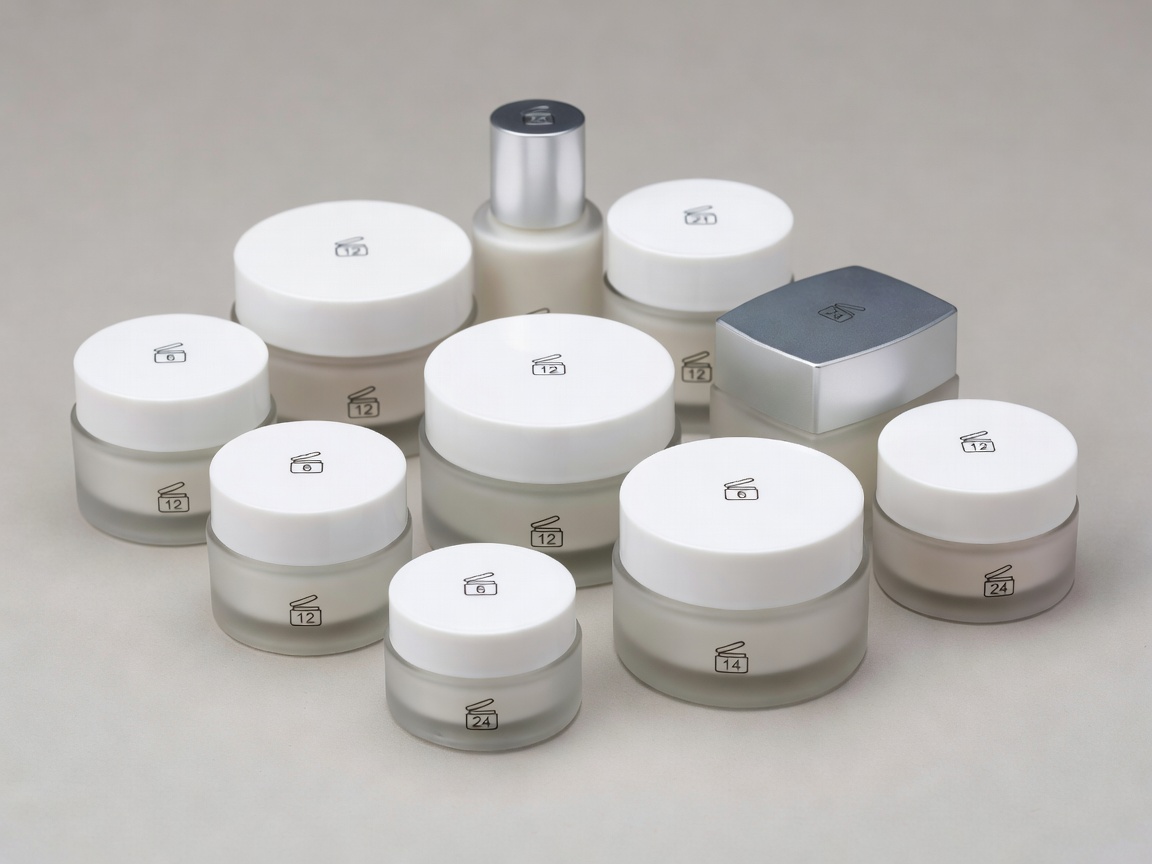
Cosmetics do not last forever. Preservative systems naturally degrade over time, and regular use introduces air and microbes into the packaging.
Period-After-Opening (PAO)
Look for the open-jar symbol on packaging, which contains a number followed by 'M' (e.g., 12M). This indicates the number of months the product is generally considered safe to use after it has been opened. This is a manufacturer guideline based on the stability of the formula under normal conditions.
Signs a Product May Be Compromised
- Smell: A distinct change in odor, often described as a stale, rancid, or sour smell, particularly in oil-based products.
- Texture: Emulsions may separate, powders may develop a hard film (glazing), or liquids may become clumpy.
- Colour: Noticeable oxidation or colour shifting that was not present when the product was new.
Visitors should follow the specific product's packaging and manufacturer guidance. General timelines vary widely based on formulation, packaging type (pump vs. jar), and storage conditions.