The Makeup Hygiene Guide
Maintaining clean tools and sanitary product habits is foundational to cosmetic safety and healthy skin.
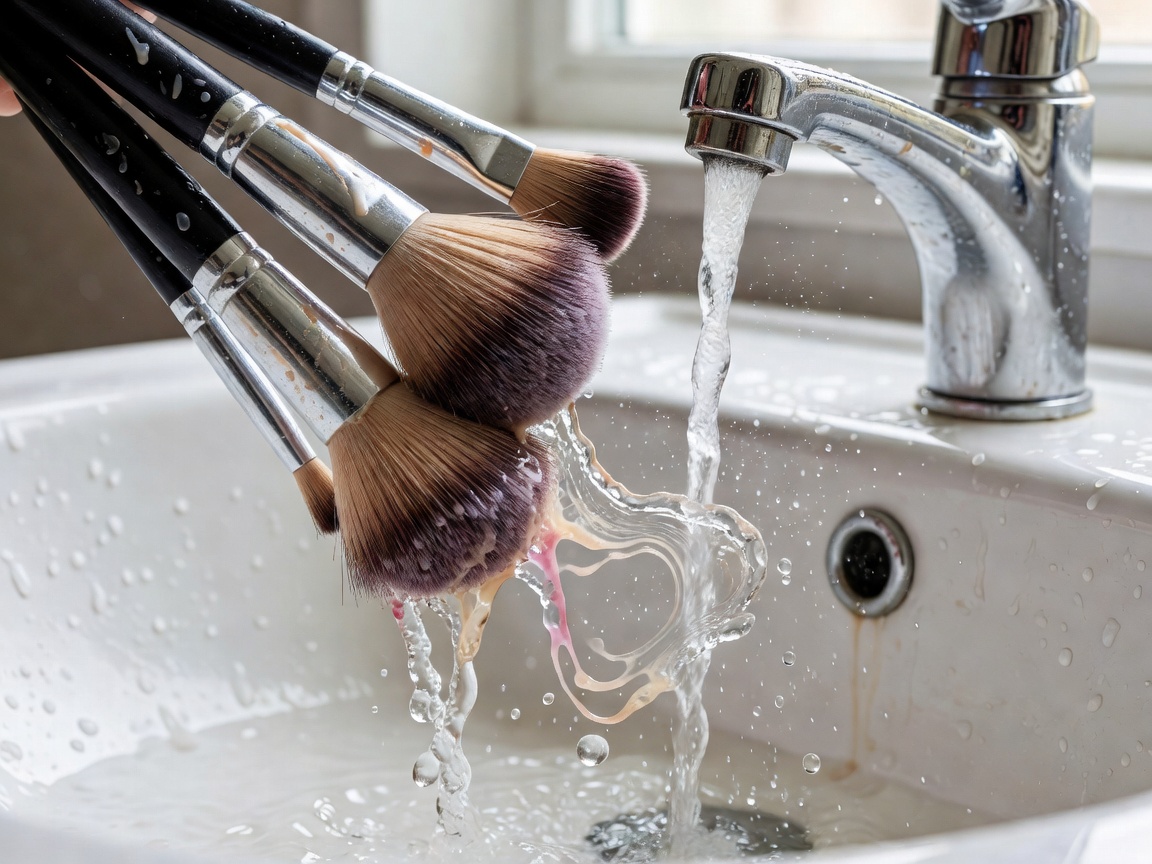
Brushes
Brushes accumulate pigment, skin oils, and environmental dust. Cleaning frequency depends on use, but brushes used for liquid products (like foundation) generally require more frequent washing than those used for dry powders.
- Wash with a gentle cleanser or dedicated brush soap.
- Rinse thoroughly, keeping the ferrule (the metal part holding the bristles) dry to prevent the glue from dissolving.
- Lay flat to dry on a clean towel. Drying them upright can cause water to seep into the handle.
- Avoid sharing brushes to prevent cross-contamination.
Sponges
Because makeup sponges are used damp, they can easily harbor mold and bacteria if not cared for properly.
- Wash sponges thoroughly after every use.
- Allow them to dry completely in a well-ventilated area before storing. Do not enclose a damp sponge in a dark, airtight container.
- Replace sponges regularly as they degrade and become difficult to clean effectively.
Mascara
Mascara hygiene is crucial due to proximity to the eye.
- Avoid "pumping" the wand in and out of the tube, as this forces air inside, drying out the product and introducing airborne microbes.
- Never share mascara.
- Discard if you experience an eye infection.
Lip Products
Keep lip applicators clean. If applying lipstick to a client or sharing (which is generally discouraged), use a disposable applicator or scrape the product onto a clean palette first.
Palettes
Powder palettes can develop a hard film (glazing) from oils transferred via brushes. Occasionally lightly scraping the top layer or wiping the surrounding packaging with a sanitizing wipe can keep the palette clean. Keep lids securely closed when not in use.
How to Store Makeup Properly
Proper storage prolongs the stability of cosmetic formulations.
- Temperature: Avoid storing makeup near radiators, in direct sunlight, or in a hot car. Excessive heat can cause emulsions to separate and lipsticks to melt.
- Humidity: Bathrooms fluctuate constantly in heat and humidity due to showers. This moist environment is not ideal for storing powders or tools. A dry, cool vanity area is preferable.
- Closing Containers: Ensure lids and caps are tightly sealed immediately after use to prevent drying and minimize exposure to airborne contaminants.
- Organization: Keep clean tools separated from dirty ones, and ensure all surfaces where makeup is placed are wiped down regularly.