Know Your Makeup Before It Touches Your Skin
Learn about cosmetic hygiene, ingredient awareness, application habits, product storage, and common makeup mistakes through clear, practical guides.
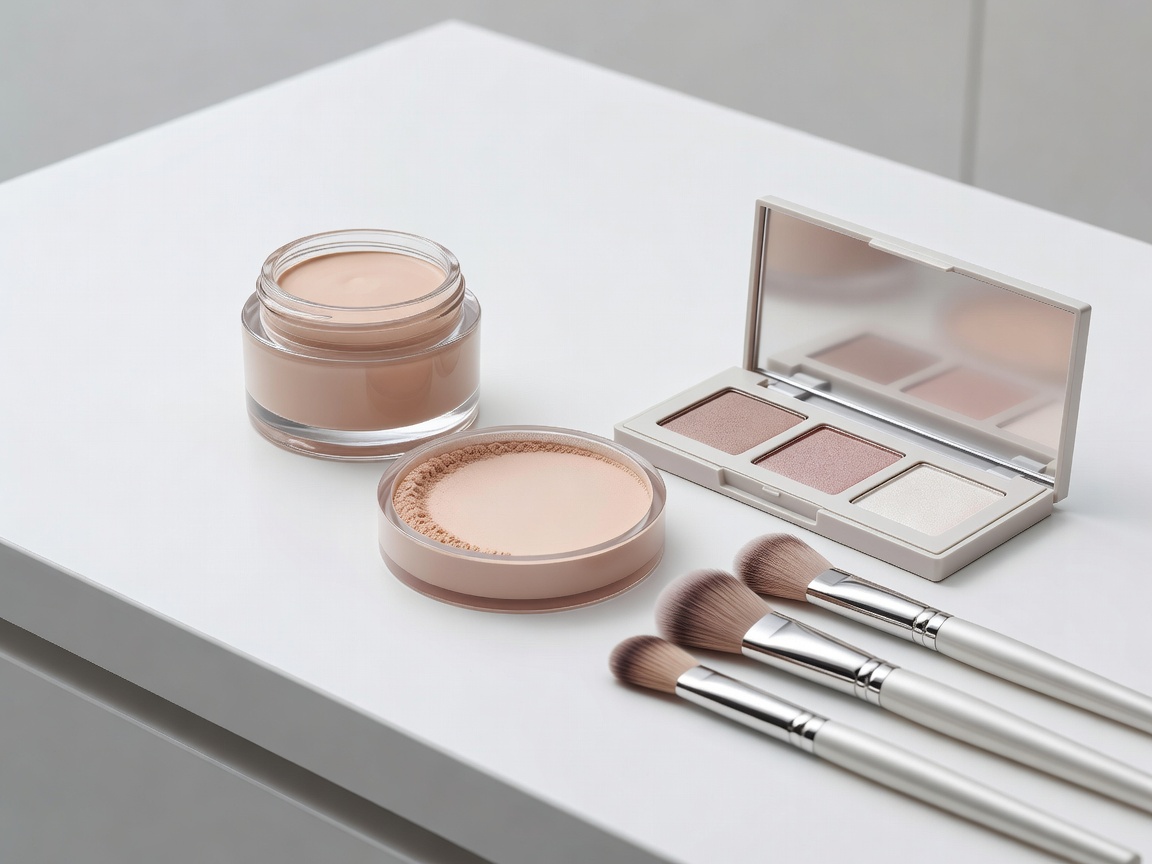
What Can Make Makeup Unsafe?
Cosmetics are generally formulated to be safe for their intended use. However, safety can be compromised by how products are stored, used, and maintained.
Contamination
Bacteria and fungi can enter products through unwashed hands, dirty brushes, or direct contact with the skin, especially in damp environments.
Storage & Degradation
Excessive heat, direct sunlight, and humidity can break down preservatives and active ingredients, altering the stability of the formula.
Application Habits
Sharing cosmetics, using products past their intended shelf life, or applying makeup over broken or irritated skin can increase the risk of adverse reactions.
Essential Reference Guides
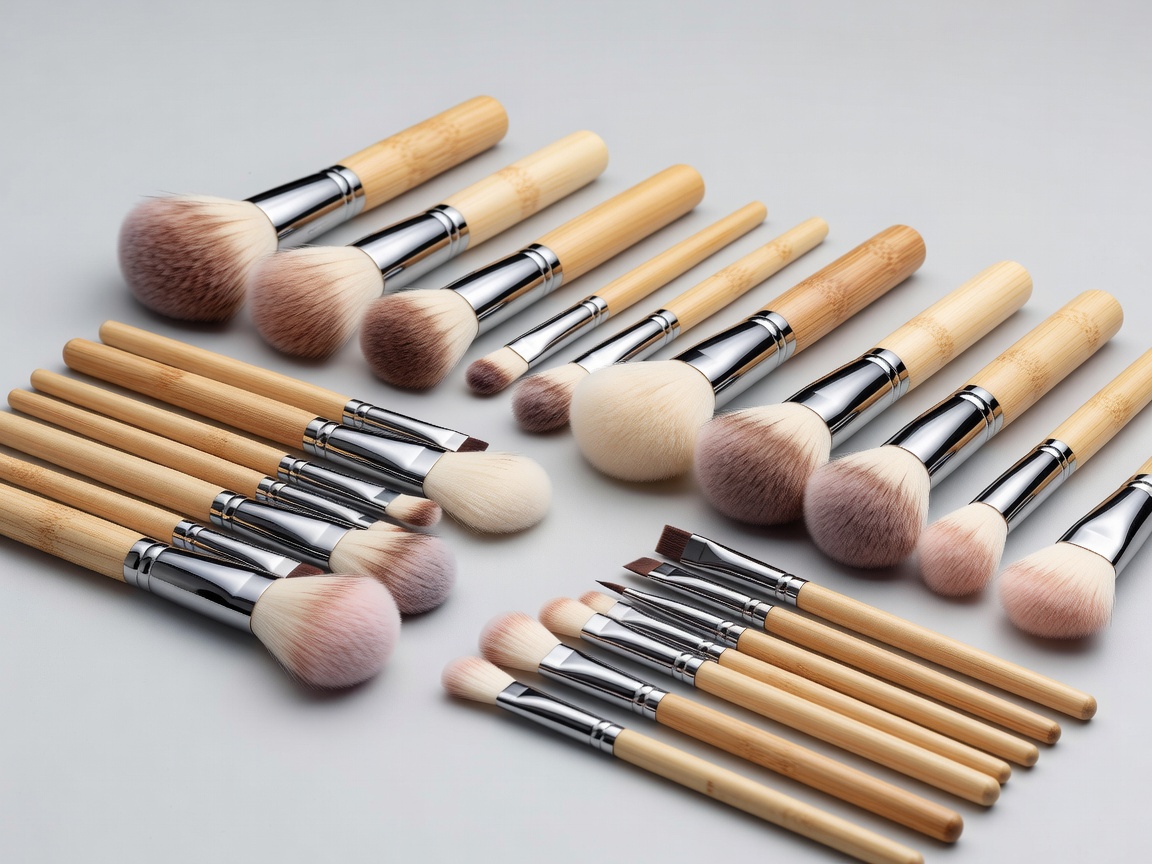
The Hygiene Guide
Learn how to properly clean tools, maintain product integrity, and prevent unnecessary contamination.
Read Guide
Ingredient Awareness
Understand the function of preservatives, pigments, and emollients in your daily cosmetic products.
Library Access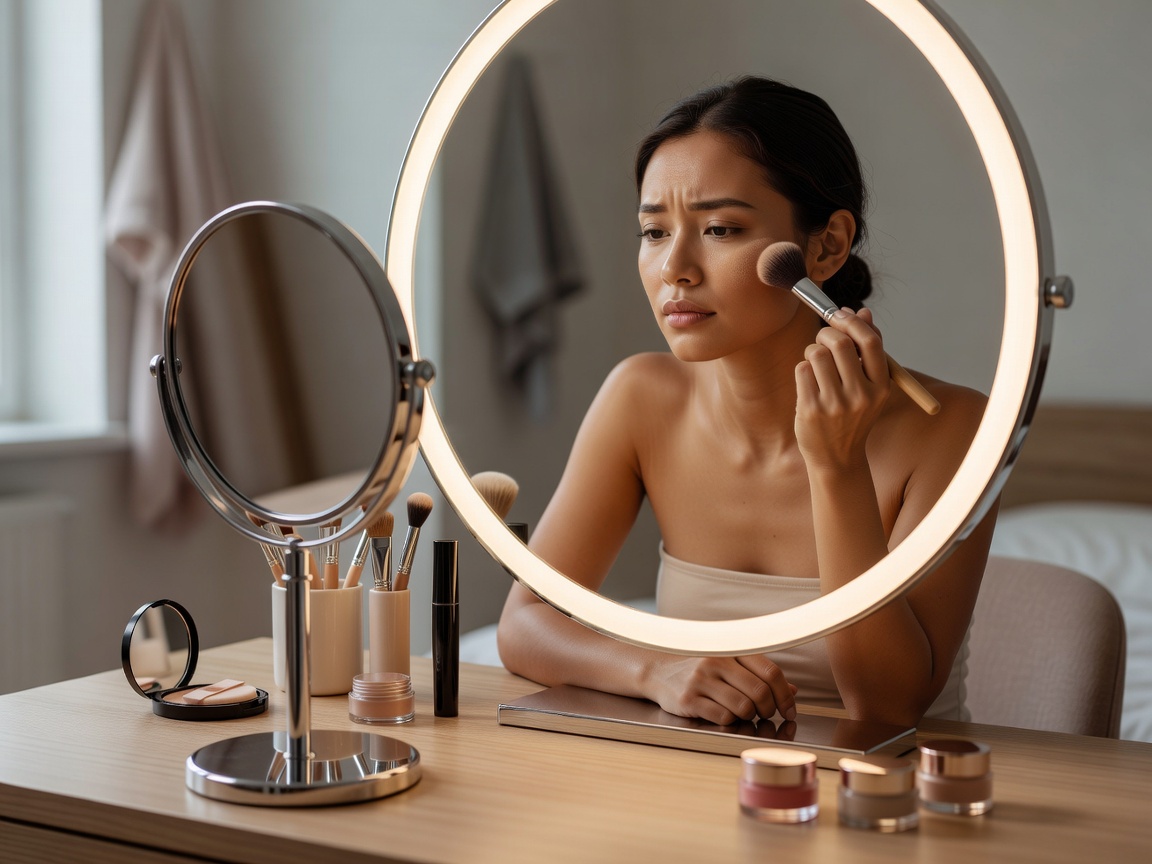
Habits Worth Avoiding
Explore common practices that may compromise your skin barrier or product safety.
View Practices